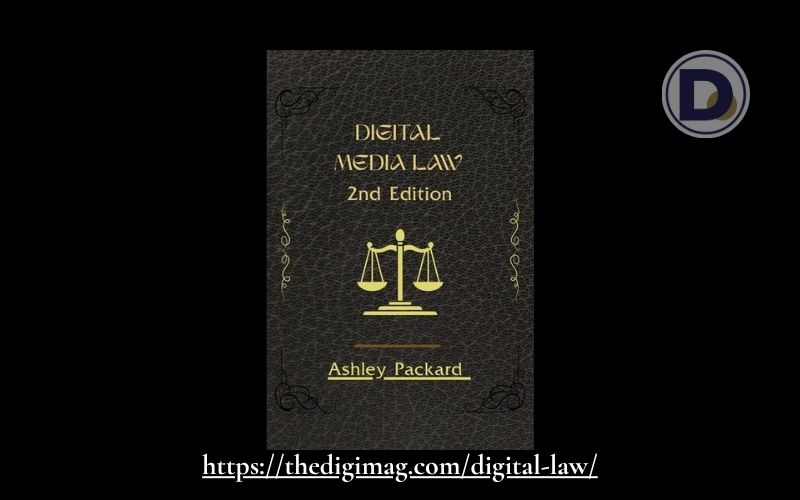
Digital Media Law (2nd Edition) by Ashley Packard is careful blend of legal principles, real-world examples, and modern digital challenges.
Disclosure: As an Amazon Associate, I earn from qualifying purchases.
Disclaimer: Covers displayed on this page are independently designed for visual presentation and may not match the officially published artwork.
About Author: Ashley Packard is a media and communications scholar. She enjoys an extensive expertise in intellectual property law, digital rights, online speech, social media regulations, and media ethics.
Focus: “Digital Media Law” examines defamation, copyright, trademark issues, platform liability, content moderation, and the interplay between free speech and legal limits in digital environments.
Best For:
- Content creators, journalists, and social media professionals
- Media law students and communication scholars
- IT and digital business professionals handling online content
- Digital marketers.
- Policymakers and regulators working on internet and media law.
In today’s digital world, information spreads instantly across platforms. Since every user is a potential publisher, digital rights and the surrounding legal frameworks are constantly evolving. So, there is a pressing need for reliable, updated guidance.
This book provides a practical perspective. Digital Media Law is structured for anyone trying to understand how media law operates in the digital age. Packard’s explains legal complexities through a modern lens instead of simply repeating traditional media law concepts.
She adapts these traditional legal principles to modern digital realities such as social media, online journalism, streaming services, digital advertising, and user-generated content. This book is clear, readable, and rich in both academic insight and practical relevance.
Table of Contents
ToggleA Modern Exploration of Digital Media Law
Packard’s work recognizes how digital platforms fundamentally change legal questions.
Digital Media Law (2nd Edition) covers major areas, including:
- Freedom of expression and its online limitations
- Defamation and reputation issues in digital spaces
- Copyright and trademark in digital content
- Platform liability, safe harbor rules, and Section 230
- Journalism ethics and media responsibility
- Privacy, data collection, and user rights
- Digital advertising and consumer protection
- Global jurisdiction and cross-border publishing
Each topic is explored clearly and supported by case examples and real digital conflicts.
Digital Media Law (2nd Edition): Making Complex Law Understandable
Packard expertly converts complex legal rules into explanations that even non-lawyers can understand with ease. She avoids unnecessary jargon, yet maintains academic strength.
She explains:
-
- Why do laws created for newspapers and broadcasters struggle with platforms like YouTube or TikTok
-
- How copyright applies to memes, short videos, and reused content
-
- What happens when influencers violate advertising guidelines
-
- Why does online defamation behave differently from traditional media
-
- How privacy laws such as GDPR and U.S. regulations affect companies
This ability to simplify without oversimplifying is a rare skill and makes the book highly valuable.
Deep Coverage of Digital Rights and Online Speech
One of the strongest parts of the book is its treatment of online speech, censorship, misinformation, and digital rights; topics that matter more today than ever.
Packard clearly describes:
- When online speech is legally protected
- When platforms can moderate or remove content
- How governments regulate harmful or false online information
- The ethical balance between protecting users and preserving freedom of expression
Her explanations help students and professionals understand where the law draws the line, a crucial skill when dealing with online communities or public communication.
Practical Relevance for Today’s Digital Professionals
This book doesn’t limit itself to theory; it shows readers how laws affect real digital work.
It includes examples from:
- Online journalism and news fact-checking
- Influencer marketing and FTC disclosure rules
- User-generated content on platforms like YouTube, Reddit, and TikTok
- Copyright claims on social media
- Digital advertising and marketing regulations
- Cybersecurity breaches and data protection
Anyone working in media, marketing, journalism, online business, or tech can immediately connect the content with real-world challenges.
Excellent for Students, Professionals, and Digital Creators
Students will find the content structured for easy learning, especially with clearly defined concepts, examples, and explanations.
Professionals in media, law, marketing, and communications will value its relevance to modern workflows, especially when dealing with copyright, privacy, or online speech.
Creators and media influencers will gain clarity on how to avoid legal trouble while producing and sharing content.
Policymakers and regulators will find the book insightful when thinking about digital governance.
Concluding Remarks
Digital Media Law (2nd Edition) by Ashley Packard is a comprehensive, highly readable, and modern guide. It is easy to understand how legal rules apply in the online world.
It covers every major issue, from copyright and online speech to platform liability and digital privacy. At the same time, it offers real-world relevance for creators, students, and professionals.
Whether you’re studying media, working in digital marketing, managing online content, or simply navigating today’s internet world, this book provides the legal foundation you need.
Digital Media Law (2nd Edition) is one of the best and most accessible textbooks available for understanding how the digital world is governed and why legal knowledge is essential for anyone involved in online communication.